Explaining Nutraceuticals with Cinematic 3D Animation

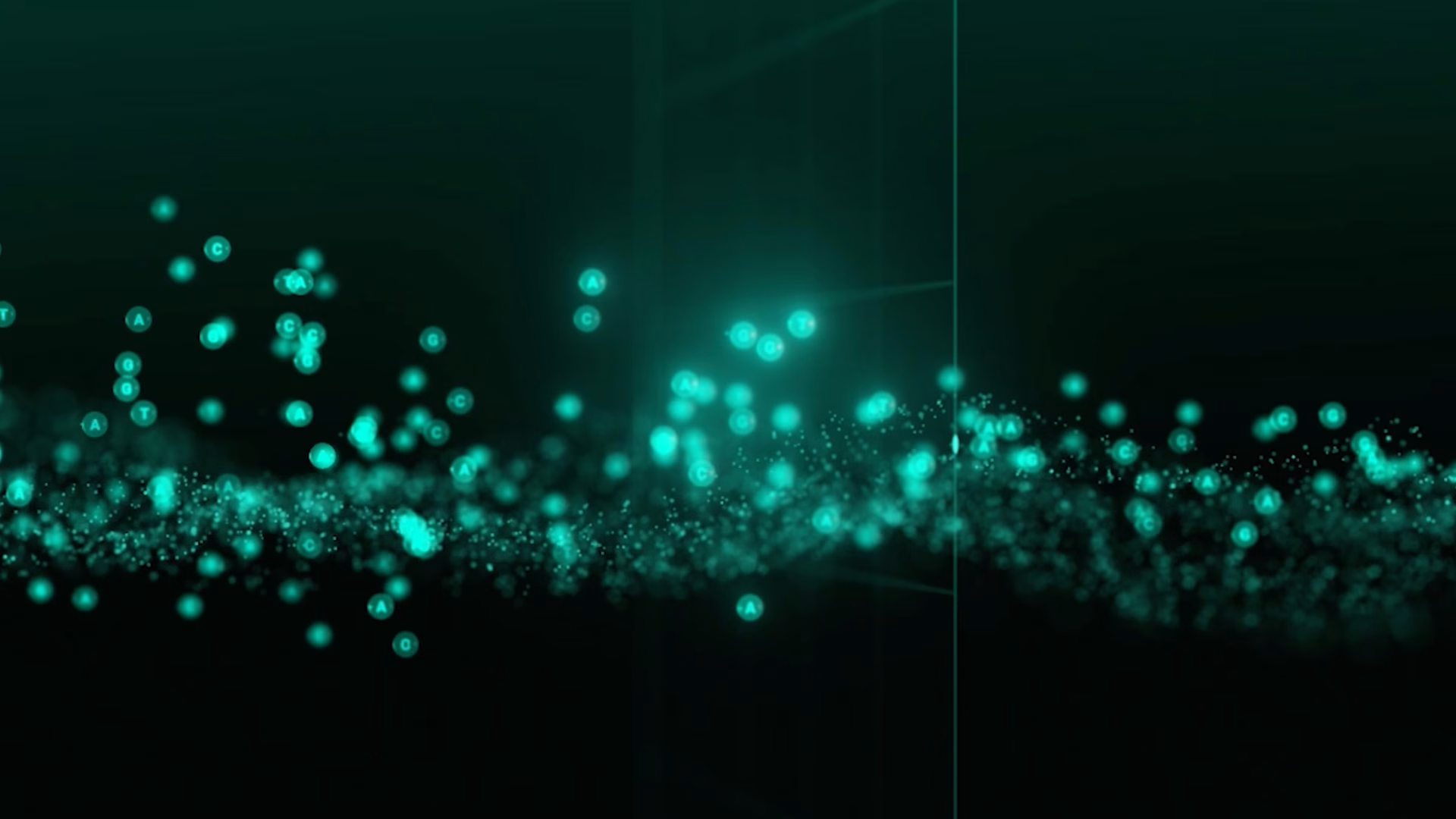
Glowing teal particles on dark background
Reading Time: 8 minutes

The nutraceutical industry faces a unique challenge. How do you explain complex molecular structures and biological mechanisms to consumers who aren’t scientists? Traditional marketing materials often fall flat. Static images can’t capture the dynamic processes happening at the cellular level. Enter cinematic 3D animation—a game-changing tool that transforms abstract scientific concepts into visual stories people actually understand.

Why Nutraceuticals Need Visual Storytelling

Nutraceuticals occupy an interesting space between nutrition and pharmaceuticals. These products promise health benefits beyond basic nutrition. Yet explaining how omega-3 fatty acids support cardiovascular health or how probiotics influence gut microbiota isn’t straightforward. Most consumers lack the scientific background to visualize these processes. They need something more engaging than ingredient lists and clinical trial summaries.

Animation bridges this knowledge gap effectively. It allows you to show rather than tell. When audiences watch a beautifully rendered animation depicting antioxidants neutralizing free radicals, they grasp the concept instantly. The visual medium transcends language barriers and educational backgrounds. Complex biochemical pathways become accessible narratives that resonate emotionally while remaining scientifically accurate.

The Power of Cinematic 3D Animation in Scientific Communication

What separates cinematic 3D animation from basic graphics? Production quality matters immensely. Cinematic animation employs sophisticated rendering techniques, realistic lighting, and fluid camera movements. These elements create an immersive experience. Viewers don’t just see information—they journey through it.

Consider how a vitamin C molecule travels through the digestive system. A cinematic approach might start with a sweeping aerial view of the stomach environment. The camera then follows the molecule as it navigates through intestinal villi, enters the bloodstream, and ultimately reaches cells requiring its antioxidant properties. This narrative structure keeps viewers engaged while delivering educational content seamlessly.

The technology behind these animations continues advancing rapidly. Modern software enables creators to simulate accurate molecular interactions. Artists can depict cellular membranes with proper lipid bilayer structures. They render protein folding with scientific precision. This level of detail builds credibility with both consumers and healthcare professionals reviewing your materials.

Breaking Down Complex Nutraceutical Mechanisms

Different nutraceuticals work through distinct biological pathways. Animation excels at making these mechanisms comprehensible. Take curcumin from turmeric. Its anti-inflammatory properties involve multiple molecular targets. An animated sequence can show curcumin molecules binding to inflammatory enzymes, blocking their activity, and reducing tissue inflammation—all within sixty seconds.

Probiotics present another excellent example. Explaining how beneficial bacteria colonize the intestinal tract and compete with pathogenic organisms becomes straightforward through animation. You can visualize the gut environment as a ecosystem. Probiotic strains appear as characters establishing colonies along the intestinal wall. They produce metabolites that strengthen barrier function and modulate immune responses. This storytelling approach makes microbiology accessible to everyone.

Bioavailability concepts also benefit tremendously from visual treatment. Many consumers don’t understand why certain nutrients require specific delivery systems. Animation can demonstrate how liposomal encapsulation protects sensitive compounds during digestion. Viewers watch phospholipid bubbles shield vitamin C molecules from harsh stomach acid, then release their payload directly into cells. Such visualizations justify premium pricing for advanced formulations.

Creating Emotional Connections Through Visual Narratives

Scientific accuracy alone doesn’t drive purchasing decisions. Emotional engagement matters equally. Cinematic animation creates these emotional connections naturally. When you show mitochondria—the cellular powerhouses—receiving CoQ10 and subsequently producing more energy, viewers feel hopeful about their own vitality.

Character-driven narratives work particularly well for nutraceutical animation. Anthropomorphizing molecules or cellular structures makes content memorable. Picture tired-looking cells brightening as adaptogenic herbs arrive to support stress response. Or immune cells getting reinforced by zinc and vitamin D during cold season. These creative approaches transform dry science into relatable stories.

Color psychology plays a crucial role in cinematic animation. Warm tones often represent health and vitality. Cool blues might indicate calmness or cognitive clarity. Strategic color choices guide viewer emotions throughout your narrative. They create subconscious associations between your product and desired health outcomes.

Technical Considerations for Nutraceutical Animation Projects

Producing high-quality 3D animation requires careful planning. You’ll need to collaborate with both scientific advisors and creative professionals. Scientific accuracy cannot be compromised. Every molecular interaction depicted should reflect current research understanding. Simultaneously, the animation must remain visually appealing and narratively coherent.

The production pipeline typically includes several stages. Scriptwriting comes first. What story will you tell? Which mechanisms deserve highlighting? Next comes storyboarding, where artists sketch key frames. This stage establishes camera angles, transitions, and pacing. Then 3D modeling begins. Artists create detailed models of molecules, cells, organs, or whatever structures your narrative requires.

Texturing and lighting follow modeling. These steps determine how surfaces appear—whether glossy or matte, transparent or opaque. Proper lighting creates depth and dimension. It guides viewer attention to important elements. Animation comes next, bringing static models to life with movement. Finally, rendering compiles everything into finished video. Color grading and sound design add final polish.

Software choices impact both workflow and output quality. Industry-standard tools include Cinema 4D, Maya, and Blender. Each offers unique strengths. Cinema 4D excels at motion graphics integration. Maya provides robust character animation tools. Blender offers a comprehensive free option with increasing professional adoption. Choosing appropriate software depends on project requirements and team expertise.

Applications Across Marketing and Education

Where can you deploy cinematic nutraceutical animations? The applications span numerous touchpoints. Product pages on e-commerce sites benefit enormously. Instead of static ingredient photos, visitors watch engaging animations explaining what makes your formulation special. Conversion rates typically increase when complex products gain clear visual explanations.

Trade show presentations become considerably more impactful with custom animations. Healthcare practitioners attending industry events see hundreds of similar booths. A stunning 3D animation immediately differentiates your brand. It communicates sophistication and scientific credibility. Many practitioners request copies to share with patients or colleagues.

Educational content marketing represents another powerful application. Publishing animated explainer videos on YouTube or social media establishes thought leadership. You’re not just selling products—you’re educating audiences about health science. This approach builds trust and authority. Viewers perceive brands investing in quality educational content as more legitimate than those relying solely on marketing claims.

Medical professional detailing also benefits from animation. When sales representatives visit doctors or naturopaths, animations help explain product mechanisms efficiently. Healthcare providers appreciate scientifically rigorous presentations. Quality animations demonstrate that your company respects their expertise and values evidence-based communication.

Measuring Return on Investment

Cinematic 3D animation requires significant investment. How do you justify the expense? Start by establishing clear metrics before production begins. What outcomes matter most? Increased conversion rates? Higher average order values? Greater brand awareness? Improved retention among healthcare professional accounts?

A/B testing provides concrete data. Compare product pages with and without animation. Track how long visitors engage with animated versus static content. Monitor conversion differences. Most brands see 20-40% improvements in key metrics after implementing quality animations. The exact uplift depends on your specific product category and target audience.

Long-term value extends beyond immediate sales metrics. High-quality animations become permanent marketing assets. You can repurpose them across multiple channels for years. Cut them into shorter social media clips. Extract still frames for print materials. Use segments in email campaigns. This multi-channel deployment maximizes return on your initial investment.

Brand perception improvements also deliver value that’s harder to quantify directly. After implementing cinematic animation, brands often report being perceived as more innovative and scientifically advanced. This perception facilitates premium pricing strategies. Consumers willingly pay more for products from brands that clearly invest in quality and education.

Future Trends in Nutraceutical Animation

The technology continues evolving rapidly. Real-time rendering engines like Unreal Engine are entering the scientific animation space. These tools allow interactive experiences where viewers control camera angles or exploration paths. Imagine potential customers navigating through a 3D gut environment, clicking on different probiotic strains to learn about their specific benefits.

Virtual reality applications are emerging for professional education. Healthcare practitioners could don VR headsets and experience immersive journeys through biological systems. They’d observe nutraceutical mechanisms from perspectives impossible in traditional media. This level of engagement creates memorable learning experiences that strengthen professional relationships.

Artificial intelligence is beginning to impact animation workflows. AI tools can accelerate certain production stages like motion capture cleanup or texture generation. However, the creative direction and scientific accuracy still require human expertise. The most effective future workflows will blend AI efficiency with human creativity and knowledge.

Personalization represents another frontier. Imagine animations customized to individual viewer interests. Someone concerned about joint health sees animations emphasizing collagen and glucosamine mechanisms. Another visitor interested in cognitive function views content about nootropic pathways. Dynamic content delivery systems could automatically select appropriate animations based on browsing behavior or demographic data.

Best Practices for Commissioning Animation Projects

When you’re ready to commission nutraceutical animation, choose your production partner carefully. Review their portfolio thoroughly. Have they created scientifically accurate medical or pharmaceutical content previously? Do their visual styles align with your brand identity? Request references from previous clients in health or science sectors.

Provide comprehensive briefing materials. Supply scientific literature supporting your product claims. Share brand guidelines covering color palettes, typography, and tone. The more information you provide upfront, the smoother production proceeds. Ambiguity creates revision cycles that inflate costs and extend timelines.

Build scientific review into your production timeline. Have qualified experts evaluate animations for accuracy at multiple checkpoints. Correcting scientific errors early costs far less than making changes after rendering completes. This review process protects both your brand reputation and regulatory compliance.

Budget realistically for quality outcomes. Professional cinematic 3D animation requires specialized skills and significant production time. A 60-90 second piece typically ranges from $15,000 to $50,000 depending on complexity and studio rates. While this represents substantial investment, remember you’re creating a multi-year marketing asset that generates ongoing returns.

Regulatory Considerations and Compliance

Nutraceutical marketing operates within strict regulatory frameworks. Animations must comply with relevant advertising standards. In the United States, the FDA monitors structure-function claims carefully. Your animations can explain biological mechanisms without making disease treatment claims. This distinction matters enormously for regulatory compliance.

Work closely with regulatory consultants during script development. They’ll identify potentially problematic language or visual implications. For example, showing damaged cells being “repaired” might suggest disease treatment. Instead, you could depict cells being “supported” or “nourished”—language that aligns with permissible structure-function claims.

Documentation proves essential for regulatory reviews. Maintain files demonstrating that animated mechanisms reflect peer-reviewed scientific literature. When regulatory agencies question your marketing materials, you’ll need to substantiate every claim with appropriate references. Thorough documentation streamlines any required responses.

International markets present additional complexity. Regulations vary significantly across jurisdictions. Animation appropriate for the U.S. market might violate European Union requirements. If you plan global distribution, consider creating regional variations that comply with local regulations while maintaining consistent core messaging.

Integrating Animation Into Omnichannel Strategies

Maximum impact comes from strategic integration across all marketing channels. Your cinematic animation shouldn’t exist in isolation. Instead, build comprehensive campaigns around these visual assets. Tease short clips on social media leading to full videos on your website. Use animation screenshots in email marketing. Feature key frames in print advertisements with QR codes linking to complete animated content.

Sales enablement materials benefit particularly from animation integration. Equip your sales team with tablet presentations incorporating animations. When representatives meet with retail buyers or healthcare professionals, these visual tools communicate value propositions quickly. Decision-makers appreciate concise, visually compelling presentations that respect their limited time.

Customer support can leverage animations for education. When customers have questions about how products work, support teams can share relevant animation links. This approach reduces explanation time while ensuring consistent, accurate information delivery. Customers receive professional answers that build confidence in your brand expertise.

Content marketing extends animation value significantly. Write blog posts exploring the science behind your animations. Create infographics highlighting key mechanisms shown in animated form. Develop educational email series that gradually explain complex concepts, with animations providing visual reinforcement. This multi-format approach accommodates different learning preferences within your audience.

Conclusion: Transforming Science Into Stories

The nutraceutical industry continues growing as consumers increasingly seek proactive health solutions. Standing out in this crowded marketplace requires more than quality formulations. You need to communicate your scientific story effectively. Cinematic 3D animation provides the perfect medium for translating complex biochemistry into engaging narratives that resonate with diverse audiences.

Investment in quality animation demonstrates commitment to both science and customer education. It positions your brand as an industry leader willing to go beyond minimum marketing requirements. The visual stories you create become permanent assets generating returns across multiple channels and customer touchpoints for years to come.

As technology continues advancing, early adopters of cinematic animation gain competitive advantages that compound over time. They establish visual identities that competitors struggle to match. They build consumer trust through transparent, educational communication. Most importantly, they transform the way people understand and engage with nutraceutical science—making complex concepts accessible, memorable, and actionable.

Related Posts