The Art of Ingredient Storytelling in Beauty Products

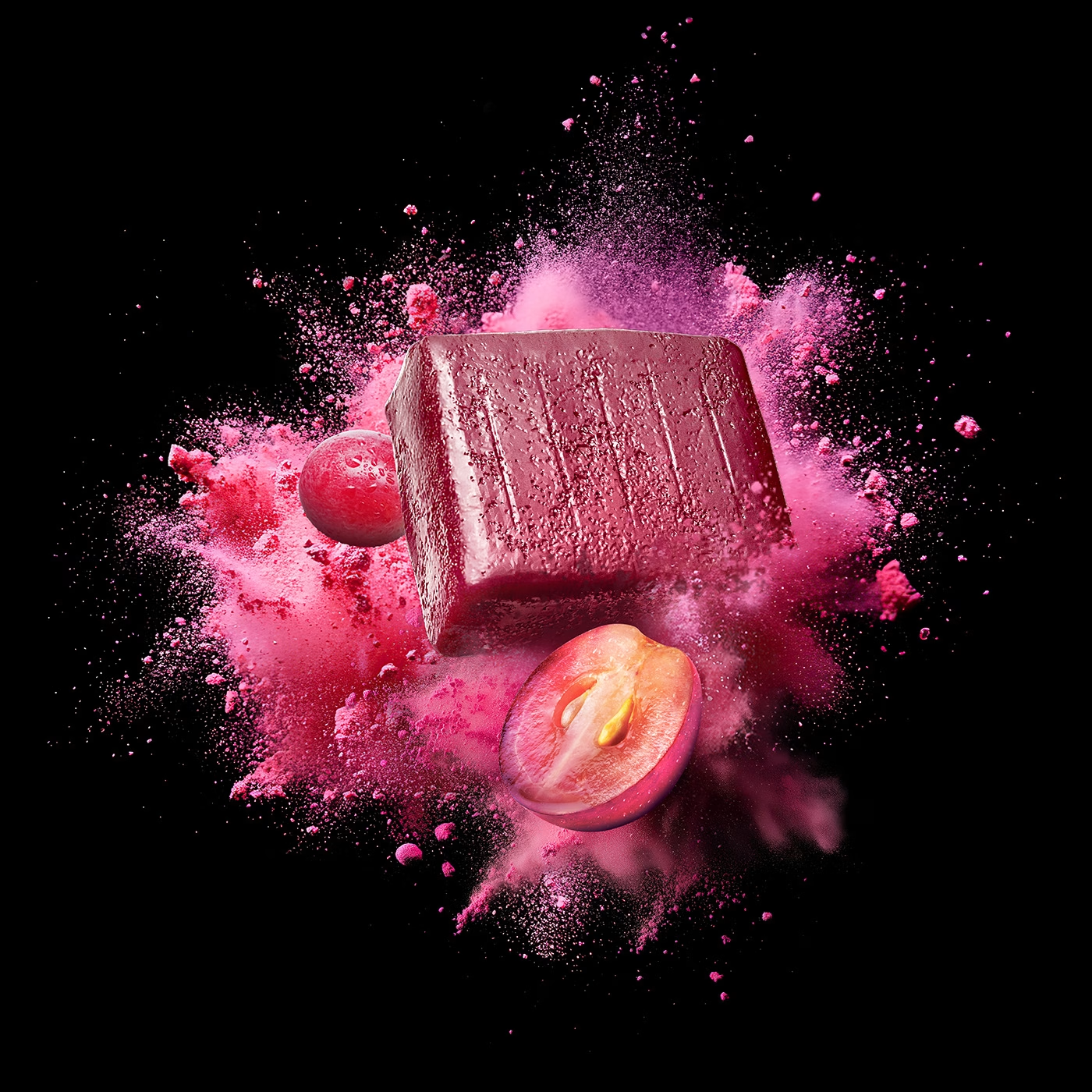
Vibrant purple supplement with splashes
Reading Time: 7 minutes

The beauty industry has transformed dramatically over the past decade. Consumers no longer blindly trust marketing claims or celebrity endorsements. They demand transparency, authenticity, and compelling narratives about what goes into their skincare, makeup, and haircare products. This shift has given rise to what industry experts call ingredient storytelling—a sophisticated marketing approach that transforms mundane chemical compounds into captivating narratives that resonate with conscious consumers.

Understanding the Power of Ingredient Narratives

Every component in your favorite serum carries a backstory. Hyaluronic acid isn’t just a moisture-binding molecule. It’s a naturally occurring substance in your skin that diminishes with age, making this ingredient a restoration hero rather than a synthetic addition. Smart brands recognize this distinction and craft narratives that connect ingredients to consumer desires, fears, and aspirations.

The art of ingredient storytelling goes beyond listing botanical names on labels. It weaves together science, culture, sustainability, and emotion into a cohesive narrative that makes consumers feel informed and empowered. When done correctly, these stories transform purchasing decisions from transactional exchanges into meaningful connections between brand values and personal identity.

The Evolution of Beauty Marketing

Traditional beauty advertising relied heavily on aspirational imagery. Flawless models promised transformation through product use. Today’s consumers see through these superficial tactics. They want substance. They crave knowledge about formulation processes, sourcing ethics, and ingredient efficacy backed by research.

This paradigm shift has forced brands to become educators and storytellers simultaneously. Companies now employ scientists, ethnobotanists, and content creators who can translate complex biochemistry into digestible narratives. The transition from “miracle cream” marketing to “here’s why this peptide sequence works” represents a fundamental change in how beauty brands communicate value.

Core Elements of Effective Ingredient Storytelling

Successful ingredient narratives incorporate several essential components. Origin stories establish geographical and cultural connections. A bamboo extract sourced from Japanese forests carries different connotations than one harvested in industrial settings. Specificity matters. Generic claims about “plant extracts” lack the persuasive power of detailed narratives about wildcrafted sea fennel from Brittany coastlines.

Scientific validation provides credibility without overwhelming consumers with jargon. Effective storytelling balances accessibility with authority. You explain that bakuchiol offers retinol-like benefits through different molecular pathways, making it gentler for sensitive skin. This approach educates without condescending.

Sustainability narratives have become non-negotiable for modern beauty consumers. How ingredients get harvested, whether communities benefit from sourcing, and environmental impact all contribute to the overall story. Brands that transparently address these concerns build lasting trust with their audience.

Regional Ingredients and Cultural Heritage

Some of the most compelling beauty ingredient stories draw from traditional practices and indigenous knowledge. Korean beauty brands masterfully showcase ingredients like ginseng and snail mucin by connecting them to centuries-old skincare wisdom. These narratives gain authenticity through cultural specificity rather than appropriation.

French pharmacy brands leverage their medical heritage when discussing thermal spring water. The story isn’t just about mineral content. It encompasses geological formation over millennia, specific therapeutic properties recognized by dermatologists, and a legacy of healing that extends back generations. This multidimensional storytelling creates depth that simple ingredient lists cannot achieve.

However, brands must navigate these cultural narratives carefully. Appropriating indigenous knowledge without compensation or acknowledgment damages credibility and perpetuates harmful practices. Authentic partnerships with source communities create stories that honor origins while ensuring ethical practices throughout the supply chain.

The Science Behind the Story

Consumers increasingly demand scientific substantiation for ingredient claims. Effective storytelling integrates research findings without alienating non-scientific audiences. When discussing niacinamide, brands might explain how this vitamin B3 derivative strengthens the skin barrier, reduces inflammation, and regulates sebum production—all while avoiding overwhelming technical language.

Clinical studies provide powerful storytelling ammunition. Sharing specific trial results, such as “participants experienced a 35% reduction in hyperpigmentation after eight weeks,” gives concrete expectations. Transparency about study size, methodology, and funding sources demonstrates integrity that sophisticated consumers appreciate.

Emerging technologies like biotechnology and green chemistry also offer rich storytelling opportunities. Lab-grown squalane derived from sugarcane presents an ethical alternative to shark liver oil. The narrative encompasses marine conservation, technological innovation, and identical molecular structure that delivers the same benefits without environmental harm.

Sensory Storytelling and Ingredient Experience

Beauty products engage multiple senses, and ingredient stories should reflect this multisensory experience. Rose hip oil doesn’t just contain vitamin C and essential fatty acids. It has a distinctive nutty aroma, a golden amber hue, and a silky texture that absorbs readily. Describing these sensory characteristics makes ingredients feel tangible and desirable.

Texture narratives particularly resonate with consumers who value the ritual aspects of beauty routines. A cleansing balm that transforms from solid to oil to milky emulsion tells a story through phase changes. Each transformation can be tied to specific ingredients—shea butter for the solid base, vitamin E for the oil phase, and emulsifiers derived from coconut for the final rinse.

Color also communicates ingredient stories. The vibrant purple of butterfly pea flower extract, the deep green of chlorophyll-rich ingredients, or the golden yellow of turmeric all provide visual proof of botanical presence. These natural hues create Instagram-worthy moments while reinforcing ingredient authenticity.

Transparency as a Storytelling Tool

Modern consumers value honesty over perfection. Brands that acknowledge ingredient limitations alongside benefits build stronger relationships than those making unrealistic promises. Discussing why you chose a particular preservative system, explaining concentration percentages, or admitting that results take time demonstrates respect for consumer intelligence.

Full ingredient disclosure has become a competitive advantage rather than a regulatory obligation. Brands like The Ordinary revolutionized the industry by listing active ingredients and concentrations directly in product names. This radical transparency approach turned ingredient education into a unique selling proposition.

Supply chain transparency extends storytelling beyond the jar. Sharing farmer partnerships, showing harvesting processes, and documenting quality control measures all contribute to comprehensive narratives that address consumer concerns about authenticity and ethics. Video content showing argane cooperatives in Morocco or rose valleys in Bulgaria brings distant ingredients into consumer consciousness.

Storytelling Across Different Product Categories

Skincare products offer the richest opportunities for ingredient storytelling because consumers apply them directly and expect measurable results. Serums particularly lend themselves to detailed ingredient narratives since they typically contain higher concentrations of active components. A vitamin C serum story might discuss oxidation challenges, pH requirements, and packaging innovations that maintain stability.

Makeup ingredient storytelling focuses more on performance and sensory experience. Foundation narratives might highlight mineral pigments that provide coverage without clogging pores, or hyaluronic acid spheres that create a blurring effect while delivering hydration. The story connects ingredients to the desired outcome—flawless appearance without compromising skin health.

Haircare storytelling often draws from both performance and sensory elements. Bond-building technologies like those popularized by Olaplex created entirely new ingredient narrative categories. The story explained molecular hair structure damage and repair in ways that resonated with consumers who had never considered hair at a chemical level.

Digital Platforms and Ingredient Education

Social media has democratized ingredient education while creating new storytelling challenges. TikTok and Instagram favor quick, visually engaging content that must distill complex information into seconds. Successful brands adapt their ingredient narratives to platform-specific formats without oversimplifying to the point of meaninglessness.

Ingredient-focused influencers have become powerful storytelling intermediaries. These content creators translate brand narratives for their audiences, often adding their own research, testing, and perspectives. Brands that provide these educators with comprehensive ingredient information rather than just marketing materials earn more authentic and effective third-party storytelling.

Interactive digital experiences allow consumers to explore ingredient stories at their own pace. QR codes on packaging that link to detailed sourcing videos, apps that scan product barcodes and provide ingredient breakdowns, and augmented reality experiences that visualize how ingredients work all represent evolving storytelling technologies.

The Role of Certifications in Ingredient Narratives

Third-party certifications add credibility layers to ingredient stories. Organic certifications verify farming practices. Cruelty-free designations confirm testing ethics. Fair trade certifications validate community impact. These external validations function as shorthand storytelling devices that communicate complex value systems through recognizable symbols.

However, the proliferation of beauty certifications has created confusion. Consumers struggle to distinguish between rigorous standards and meaningless badges. Effective ingredient storytelling explains what specific certifications mean, why the brand pursued them, and how they impact the final product. This educational approach builds trust while differentiating genuinely certified products from those using vague “clean” marketing.

Some brands create proprietary standards that become part of their ingredient narrative. Beautycounter’s “Never List” of prohibited ingredients or Drunk Elephant’s “Suspicious 6” categories establish brand-specific frameworks that guide formulation decisions. These self-imposed standards become central to brand identity and ingredient storytelling strategies.

Sustainability Stories and Ingredient Sourcing

Environmental consciousness has moved from niche concern to mainstream expectation. Ingredient sustainability stories address multiple dimensions: renewable sourcing, biodegradability, carbon footprint, water usage, and ecosystem impact. Palm oil derivatives illustrate these complexities—widely used for their functional properties but environmentally controversial without sustainable certification.

Upcycled ingredients offer particularly compelling sustainability narratives. Coffee grounds from beverage production become exfoliating scrub ingredients. Olive pulp remaining after oil extraction yields squalane. These circular economy stories appeal to consumers who want their beauty routines to align with environmental values.

Climate change increasingly influences ingredient storytelling. Brands discuss how they’re securing supply chains against environmental disruption, developing alternative sources for vulnerable ingredients, or investing in regenerative agriculture that actively improves ecosystems. These forward-looking narratives position ingredients within larger conversations about planetary health.

Personalization and Ingredient Customization Stories

The movement toward personalized skincare has created new ingredient storytelling opportunities. Brands that offer customizable formulations tell stories about how specific ingredient combinations address individual concerns. DNA-based skincare recommendations introduce genetics into ingredient narratives, explaining how your unique code influences ingredient efficacy.

Diagnostic tools that analyze skin conditions and recommend ingredient-specific products transform storytelling from generic to personal. When technology determines that your skin barrier needs ceramides, niacinamide, and cholesterol in specific ratios, the ingredient story becomes intimately relevant rather than broadly aspirational.

Subscription models that adjust ingredients based on seasonal changes, hormonal cycles, or environmental factors tell evolving stories. Your winter formulation might emphasize occlusive ingredients like shea butter and squalane, while summer versions spotlight lightweight humectants and antioxidants. This adaptive approach makes ingredient selection feel responsive rather than static.

Challenges in Ingredient Storytelling

Regulatory constraints complicate ingredient narratives. Claims about product efficacy must comply with FDA guidelines in the United States, EU cosmetics regulations in Europe, and varying standards globally. Brands must craft compelling stories without making unsubstantiated therapeutic claims that could trigger regulatory action.

The tension between simplification and accuracy presents constant challenges. Explaining that “peptides stimulate collagen production” oversimplifies complex cellular processes but resonates with consumers. More accurate explanations about signaling molecules and fibroblast activity risk losing audience attention. Finding the balance requires understanding your audience’s scientific literacy and interest level.

Ingredient fear-mongering has created an environment where scientific nuance often loses to emotional reactions. Campaigns against parabens, sulfates, or silicones often ignore concentration-dependent safety profiles and decades of use data. Responsible ingredient storytelling must counter misinformation without dismissing legitimate consumer concerns.

Future Trends in Beauty Ingredient Narratives

Biotechnology will increasingly dominate ingredient storytelling. Lab-grown collagen, fermented ingredients, and bioengineered alternatives to rare botanicals represent the next frontier. These innovations require new narrative frameworks that make scientific processes accessible while addressing consumer concerns about “natural” versus “synthetic” distinctions.

Microbiome science is transforming how we understand skin health and ingredient interaction. Future storytelling will explain how ingredients support beneficial bacteria, maintain skin pH, or modulate immune responses. This systems-based approach moves beyond individual ingredient benefits toward holistic skin ecosystem health.

Traceability technologies like blockchain will enable unprecedented transparency in ingredient storytelling. Consumers might scan products and see the exact farm where botanicals were grown, harvest dates, and every supply chain step. This granular transparency will raise storytelling standards across the industry.

Building Authentic Ingredient Narratives

Authenticity remains the foundation of effective ingredient storytelling. Consumers detect manufactured narratives quickly, particularly when brands claim heritage they don’t possess or appropriate cultural traditions without proper context. The most compelling stories emerge from genuine brand values, real sourcing relationships, and honest acknowledgment of both capabilities and limitations.

Long-term consistency matters more than viral moments. Brands that steadily educate their audiences about ingredients, refine formulations based on feedback, and maintain transparent communication build loyal communities. These relationships withstand industry trends and competitor launches because they’re rooted in trust rather than hype.

The art of ingredient storytelling ultimately serves both commercial and educational purposes. It differentiates products in crowded markets while empowering consumers to make informed decisions. When executed with integrity, creativity, and respect for audience intelligence, ingredient narratives transform beauty products from commodities into meaningful tools for self-care and expression.

Related Posts